Reading Pick: Strong Ground by Brené Brown

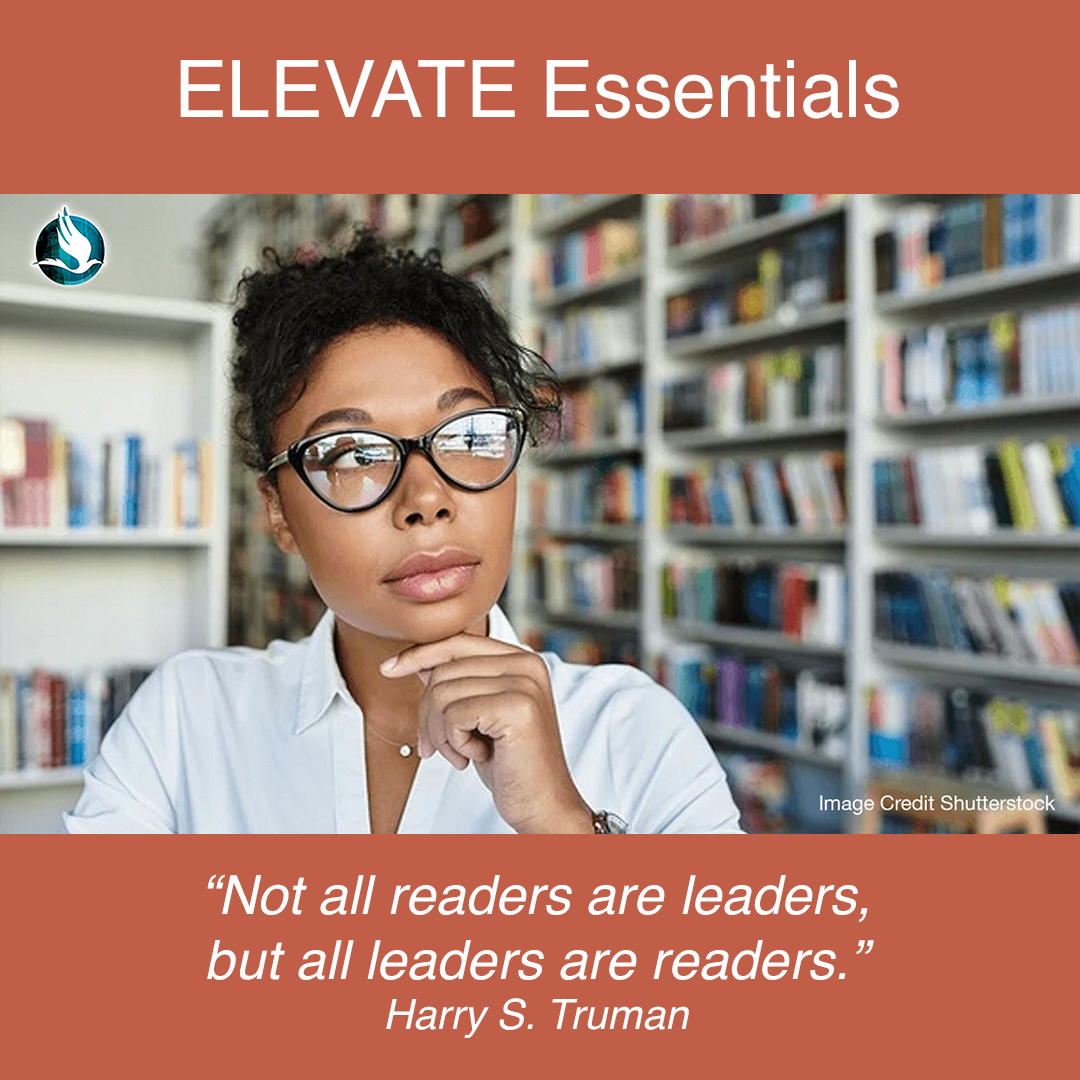
In times of uncertainty, leaders need more than answers. They need steadiness. Strong Ground invites leaders to reflect on how they stay anchored in their values, emotions, and decision-making when pressure is high and clarity feels elusive. Rather than offering quick fixes, Brené Brown encourages leaders to strengthen the internal stability that supports courageous, consistent leadership.

Consider these leadership reflections:

  • Strong ground begins with self-awareness. Leaders benefit from understanding what steadies them so they can support others with greater presence and clarity.
  • Values are not aspirational statements. They are daily behavioral commitments, especially visible when leaders are under pressure.
  • Leadership clarity is strengthened through emotional literacy. Accurately naming what is happening internally often improves judgment, communication, and trust externally.

Actions to Consider

  • Create a shared leadership reading journey using Strong Ground to build common language around values, emotional awareness, and courageous leadership. This can be inclusive, engaging, and energizing.
  • Integrate brief reflection moments into leadership meetings to connect decisions back to stated values. Awareness develops over time through intentional practice.
  • Encourage leaders to pause and name emotional signals during challenging conversations to improve clarity and trust. Going beyond surface-level emotions can be especially helpful. For example, frustration may also reflect:
    • Powerlessness
    • Disappointment
    • Overwhelm

While leaders never assign or judge others’ emotions, increasing the precision with which emotions are named can be a powerful step toward restoring balance and effectiveness.


Shared from February 2026 Issue of Thunderbird Leadership Consulting ELEVATE – Tbird’s Hub for Practical Leadership Insights.


Enjoy our YouTube video below, then visit Thunderbird Leadership’s YouTube channel to watch all of our YouTube videos!
Not Everyone is Ready for a Mentor. Are you?

Author:  Fred Amador, MC, ACC, BAP


What is a Mentor?

Think of a mentor as a “guide on the side.” They are experienced individuals who provide wisdom to help you navigate your career and personal development. While we often imagine a mentor as a senior figure, they can be older or younger than you—experience isn’t always tied to age. A recent Forbes article indicated that 76% of professionals think mentoring is important, while only 37% of people have one. 

This article focuses on formal mentoring relationships: structured connections, whether online or in person, that begin with a clear definition of goals and expectations.

Key Questions for Self-Reflection

Before you reach out to a potential mentor, take a moment to interview yourself. Clarity is the foundation of a successful partnership.

  • What are my specific goals? Identify what you need right now. Are you looking to master a new skill, navigate a promotion, or improve your work-life balance?
  • Is a mentor what I actually need? Consider the level of support required. Do you need a mentor, a coach, a thought partner and committed listener, a sponsor: someone who can advocate and open doors for you, or a therapist: who provides mental health support for past and ongoing challenges. 
  • Am I ready to be mentored? Mentorship requires action. Are you prepared to follow through on suggestions and be held accountable?
  • What defines “trust” for me? How will you determine if this person is a safe and reliable mentor?
  • Can I advocate for myself? How comfortable are you asking for what you want? A mentor can guide you, but you must be willing to take the first step. 
  • What traits do I value? Beyond professional expertise, what personal characteristics (e.g., communication style, values, temperament) are essential in a partner?

Take your time. Seek feedback as needed. Determine which of these questions, if any, would benefit from a deeper probe. 

Finding the Right Fit

Success in mentorship depends on clarity. Once you know what you want, you can begin identifying candidates within your workplace, professional associations, or local community.

Don’t be discouraged if the first person you approach isn’t the right match. It often takes several conversations to find the right mentor.” Above all, ensure your prospective mentor has both the time to invest in you and the genuine willingness to share their journey.

Drop us a line and let us know what additional suggestions you have.

Shared from February 2026 Issue of Thunderbird Leadership Consulting ELEVATE – Tbird’s Hub for Practical Leadership Insights.

Click on ‘Subscribe Today’ below so you can be a part of Thunderbird’s email community and never miss our monthly ELEVATE edition!

Voices of Leadership – Client Spotlight: Circle the City

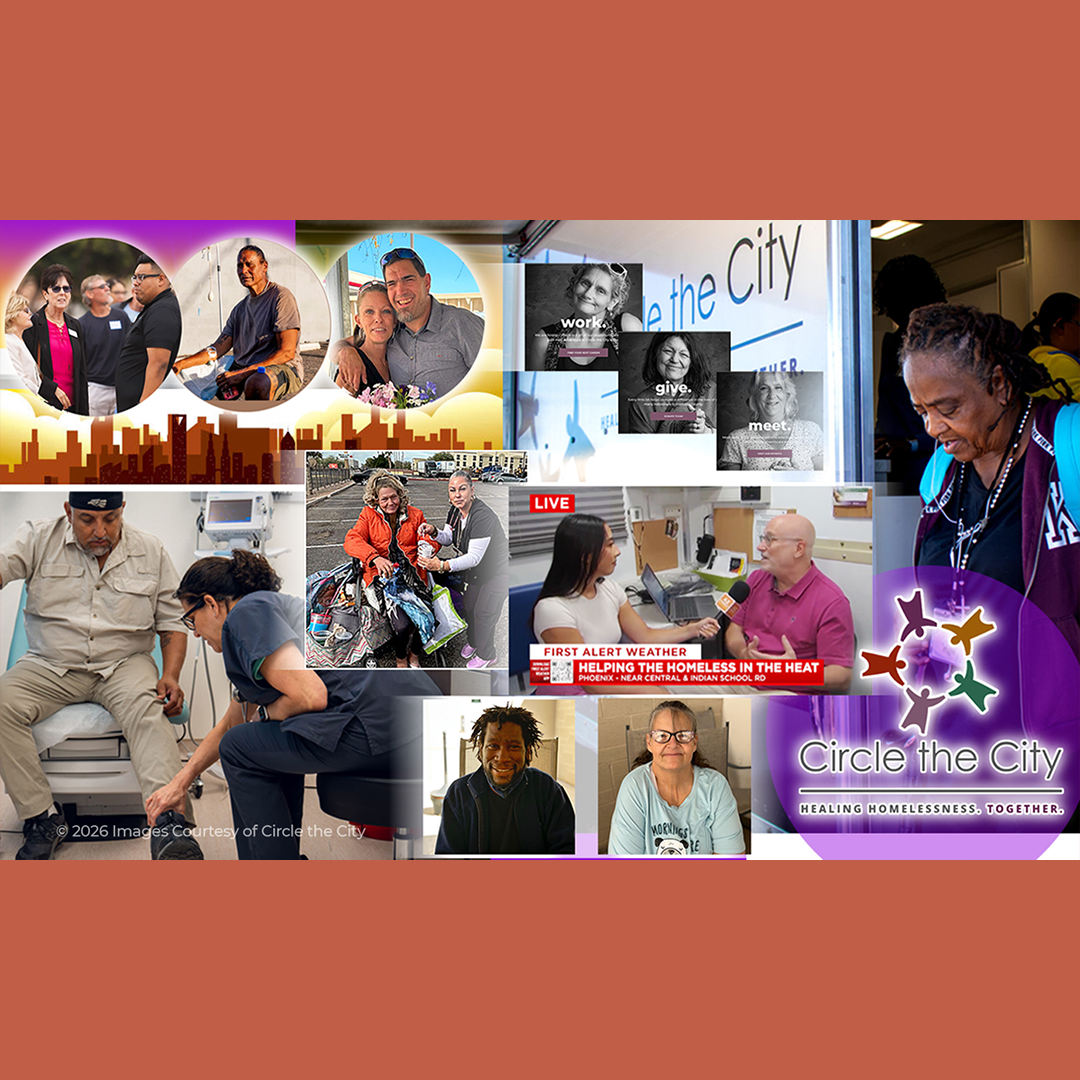
Circle the City (CTC) continues to model what mission-driven leadership looks like in practice. Across the Greater Phoenix area, their leaders and teams show up with presence, compassion, and clarity, caring deeply for people experiencing homelessness. It demonstrates a relentless commitment to their prosocial purpose and to meeting people where they are.

Circle the City was founded by Sister Adele O’Sullivan in 2010. As a family physician, she began caring for people who were unhoused and living on the streets.  Supporters offered donations to cover the costs that would help unhoused individuals.  For example, the donations would cover medications, eyeglasses, and X-rays.  Sister Adele stored the cash in a shoebox. The shoebox grew into what we know now as Circle the City. Today, they see almost 9000 patients annually!

What stands out about CTC is how intentionally they spotlight both mission and people. Through public storytelling, interviews, and everyday visibility, they elevate the dignity of those they serve while also celebrating the teams doing the work. Their leadership reflects a belief that caring for community and caring for staff are deeply connected, not competing priorities.

A special shoutout to CEO Kim Després, the executive leadership team, and the entire CTC team for their humble, steady, and relentless care for those facing homelessness in their community. Their leadership reminds us that impact is built through consistency, visibility, and values lived out every day.

If their mission resonates with you, consider supporting their work.

Donations help Circle the City continue providing compassionate, life-saving care to some of the most vulnerable members of our community.


👉 Learn more or donate to support their mission.

 
Shared from February 2026 Issue of Thunderbird Leadership Consulting ELEVATE – Tbird’s Hub for Practical Leadership Insights.


Enjoy our YouTube video below, then visit Thunderbird Leadership’s YouTube channel to watch all of our YouTube videos!
Choosing Pace With Intention

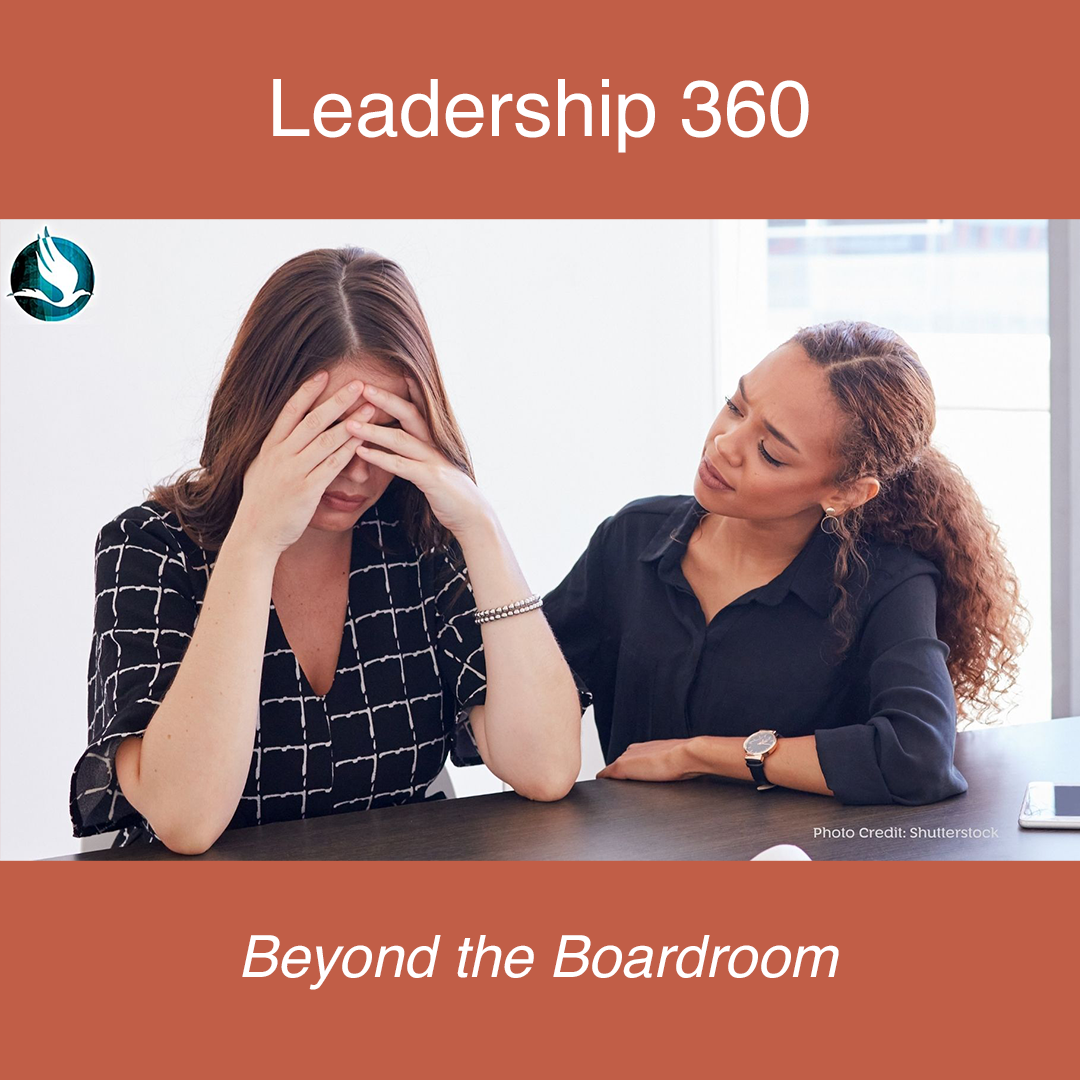
Leadership is often measured by how quickly we respond. We celebrate leaders based on our perception of productivity measures. How we decide and how fast. How much we can carry. Yet some of the most meaningful leadership moments happen away from urgency, in the quiet choices about how we show up for others and for ourselves. 

When speed becomes the norm everywhere, leaders desperately try to keep pace. Relationships thin, and listening turns into tolerance. Decisions happen faster, but not always better. Over time, this pace follows leaders home, shaping how present they are with family, friends, and even themselves. Guilt creeps in alongside the thought, “You should be working. You have so much to do.”

Leadership beyond the boardroom asks a different question. Not how fast can I move, but what pace allows me to lead well and live well.

Learning into Action:
Where might slowing down, even briefly, strengthen your leadership, your relationships, and your ability to lead with purpose in the year ahead? When might you pause rather than give an immediate response?


Click on ‘Subscribe Today’ below so you can be a part of Thunderbird’s email community and never miss our monthly ELEVATE edition!

When Speed Becomes a Leadership Signal

Inside organizations, speed is never neutral.  Whether leaders intend it or not, pace communicates priorities, safety, and expectations. (Edmondson, 2019; Perlow, 2012). Over time, teams learn what is valued not by what leaders say, but by how quickly they are expected to respond, decide, and deliver.

When speed becomes the default expectation, subtle cultural shifts begin to occur. Questions feel risky. Reflection feels inefficient. Leaders and teams move quickly to avoid being perceived as resistant or uncommitted. Psychological safety erodes not because leaders are uncaring, but because the environment no longer makes space for thoughtful contribution (Edmondson, 2019)

Real World Experiences
One leader recently shared that they received direction from their executive late on a Friday evening. Wanting to be responsive and demonstrate commitment, they spent the weekend completing the request. When they followed up, the response was appreciative, but casual. “Thanks, this could have waited until Monday.” The unintended message was clear. The appearance of availability and a quick response mattered more than boundaries or sustainability.

In another instance, a team rushed to implement a process change after an informal hallway conversation with a senior leader. No one paused to ask clarifying questions. No one checked alignment. Within weeks, the change had to be undone due to the downstream impact that had not been considered. The team moved fast, but it did not translate to effectiveness.

These moments are rarely malicious. They are cultural signals. Over time, they teach teams that urgency is safer than judgment, and speed is rewarded even when it creates unnecessary strain or rework. Leadership capability is not developed in environments driven by reflexive action and command-based urgency (Brown, 2021).

Recent U.S. workforce research shows that only 19 percent of employees strongly agree they trust leadership to make decisions in their best interest (Gallup, 2025). While many factors influence trust, pace plays a meaningful role in shaping it. When urgency consistently overrides clarity, teams experience misalignment, rework, and fatigue.

While many factors influence trust, pace plays a meaningful role in shaping it, particularly when urgency consistently overrides clarity and inclusion (Gallup, 2025; Edmondson, 2019). Trust weakens when people feel decisions are made too quickly to allow full consideration of the impact.

Culture is shaped in moments like these. When leaders pause to invite input, clarify priorities, or slow a decision long enough to assess risk, they send a powerful signal. Speed is not the enemy. Unexamined urgency is.

What Leaders Can Do Now:

  • Call it out. Name when speed is required and when it is not
  • Normalize questions and reflection as responsible leadership behaviors
  • Build intentional pauses into meetings and decision cycles
  • Decide and communicate the appropriate speed

Learning into Action
Where might your current pace be shaping culture in ways you did not intend? What can you personally do to mitigate those unintended effects?

References
Brown, B. (2021). Atlas of the heart: Mapping meaningful connection and the language of human experience. Random House.

Edmondson, A. C. (2019). The fearless organization: Creating psychological safety in the workplace for learning, innovation, and growth. Wiley.

Gallup. (2025). Only 19% of U.S. employees strongly agree they trust their organization’s leadership. Gallup Workplace.
https://www.gallup.com/404252/indicator-leadership-management.aspx 

Perlow, L. A. (2012). Sleeping with your smartphone: How to break the 24/7 habit and change the way you work. Harvard Business Review Press.


Enjoy our YouTube video below, then visit Thunderbird Leadership’s YouTube channel to watch all of our YouTube videos!

The Power of Context-Based Coaching

Thunderbird’s Context-Based Coaching approach is built on a simple idea with extraordinary impact. Leaders grow fastest when coaching conversations are grounded in the real circumstances they face, not hypothetical challenges.

Context gives meaning to insight. It helps leaders explore not only what they are thinking, but also why they think it, how it affects others, and what outcomes it creates across the team and the organization.

With a context-first approach, leaders consistently report breakthroughs such as:

  • New awareness that reshapes how they show up and communicate
  • Stronger alignment between intent and impact
  • More confident decision-making in navigating complex or uncertain situations
  • Increased empathy that strengthens relationships and builds trust

How Tbird’s Teaming Workshops Deepen Context

Context becomes even more powerful when leaders build on the awareness they gain during Thunderbird Leadership Consulting’s (Tbird) Teaming Workshops. These workshops surface real team dynamics, communication patterns, and accountability expectations in a shared environment. Leaders begin to see the broader system they are working within, not just their individual behaviors.

When they bring this expanded understanding into a safe coaching space, the connections become clear and actionable. Leaders can link their actions to outcomes with greater accuracy. They can reflect more honestly on how their choices influence trust, alignment, and performance. Most importantly, they begin to shift from reactive leadership to intentional leadership, guided by insight rather than pressure.

This combination of awareness-building in Tbird Teaming Workshop and Context-Based Coaching creates one of the strongest pathways to lasting behavior change and organizational impact.

Reflection

What meaningful shift could you make if you viewed your next leadership challenge through a broader lens of growth and opportunity rather than an isolated obstacle?s no longer serving you?

Trust as a Performance Indicator

Trust is emerging as the most critical and most fragile element of today’s workplace culture. When trust is strong, teams move with clarity, confidence, and speed. People speak up sooner, solve problems faster, and navigate challenges with more shared ownership. When trust is low, leaders spend more time managing resistance, confusion, and rework, and even simple decisions begin to feel heavy.

Across the U.S., recent trends reveal a growing trust deficit that is directly affecting engagement and performance. Employees are becoming less confident in the consistency, transparency, and intent of organizational decisions. Leaders often believe they are communicating clearly, yet many employees feel misaligned, uninformed, or unsure of what to expect. This gap is now one of the primary reasons teams hesitate to fully commit to plans, changes, or new initiatives.

By the Numbers
According to Gallup’s 2025 U.S. Leadership & Management Indicator, only 19 percent of employees strongly agree that they trust their organization’s leadership, a striking trust deficit.

What Leaders Can Do
Start small and focus on behaviors that build reliability and transparency:

  • Make intent explicit before delivering feedback or decisions.
  • Share the “why” behind priorities to reduce uncertainty.
  • Close communication loops quickly to demonstrate follow-through.

Trust grows through repeated, observable actions, not messaging.

Reflection
How would you rate the current level of trust on your team on a scale of 1 to 10?

Take Action
This month, choose one trust-building habit and practice it consistently. Small shifts, reinforced over time, create meaningful cultural change.

Tbird 2025 Year-End Reflections: A Message from the Partners

When we look back at this year, what strikes us most is not just how much we accomplished but how we did it. Tbird’s success wasn’t accidental or convenient. It was built through intention, partnership, courage, and an unwavering belief in the leaders and organizations we serve.

This year we stepped fully into the work we were meant to do. We deepened our relationships with long-standing partners and opened doors to new ones. We said yes to work that stretched us, and we designed experiences that created real movement; leadership pipelines, succession strategies, team development, strategic refreshes, and the kind of culture-building work that shifts the trajectory of an organization.

We expanded our impact across healthcare, higher education, and community-based organizations by helping leaders navigate complexity with clarity, compassion, and confidence. And we did it while evolving our own internal operations, strengthening our infrastructure, refining our brand, and creating tools and templates that will serve us (and our partners) for years to come.

What we are most proud of, though, is the way we showed up.

We collaborated. We listened deeply. We adapted with agility. We held space for leaders to learn, reflect, grow, and step into their future-ready selves. We elevated stories, clarified strategy, and helped teams find their rhythm and their heartbeat. And we did this with the belief in abundance by addressing all that we do through a lens of plenty.

This year felt like Tbird coming into its next chapter, which is a chapter defined by purpose, by partnership, by possibility, and by convergence and duality. We did big things and we did them with heart.

And because of that, we believe we are leaving the year stronger, more aligned, and more excited about what’s ahead than ever before.

Here’s to the work we’ve done, the leaders we’ve served, and the future we’re building together.

And for our Tbird Team:
As we step into a new year, we want to pause and express our profound gratitude to you as our collaborators who make our work so meaningful. The trust you place in us, the conversations you invite us into, and the courage you show as leaders are the heart of Tbird’s purpose.

  • Thank you for welcoming us into your lives.
  • Thank you for your honesty, your partnership, and your willingness to grow.
  • Thank you for allowing us to walk alongside you and your mission.

Looking forward:
We do not take for granted the privilege of supporting your leadership journeys, your strategic aspirations, and the communities we serve. Every engagement reinforces why Tbird exists, which is to help teams and leaders rise with clarity, purpose, and heart.

As we enter the new year, we do so grounded firmly in our guiding principles and inspired by the work we have co-created.

  • We enter with Clarity:  Clarity about who we are, the value we bring, and the shared impact we want to create with you.
  • We enter with Curiosity:  Curiosity to explore new ideas, ask better questions, and remain open to what is emerging in your systems and teams.
  • We enter with Connection:  Connection to you and your people, honoring relationships as the foundation for trust, growth, and meaningful change.
  • We enter with Courage:  Courage to challenge assumptions, hold bold conversations, and design solutions that move your organization toward its highest aspirations.
  • We enter with Compassion:  Compassion for the human experience of leadership—recognizing the pressures, hopes, and realities your teams balance every day.
  • We enter with Collaboration:  Collaboration that brings out the best in our partnership—co-creating strategies, experiences, and moments that elevate your leaders and strengthen your culture.
  • We enter with a commitment to Culture & Community:  Culture that supports belonging, psychological safety, alignment, and community that honors who you are and who you are becoming.

These principles guide how we show up, how we serve, and how we partner with you.

As the new year unfolds, we look forward to:

  • Deepening our partnership as we learn your aspirations, rhythms, and needs even more fully.
  • Co-creating future-ready leadership experiences that help leaders lead with clarity, courage, and authenticity.
  • Supporting your long-term success with tools, strategies, and frameworks that elevate performance and expand possibility.
  • Celebrating your wins because your success is truly our success.

We enter this next chapter with gratitude, intention, and excitement for all we will build together.

Thank you for trusting us. Thank you for challenging us. Thank you for growing with us. Thank you for reimagining with us. And thank you for making this fun, too.

With appreciation,
Amy, Dorothy, and Rhonda

Higher Education – 2025 Insights

2025 was a defining year for higher education, with leadership effectiveness and culture climate rising to the top of institutional priorities. One of the most significant insights came from the 2025 EDUCAUSE Top 10 report, which identified restoring trust across campuses as a critical priority for the coming year. Institutions noted that public confidence in higher education continues to decline, and internal trust among faculty and staff has weakened in many environments due to rapid change, unclear communication, and increased workload pressure.

Parallel findings from Gallup and the Lumina Foundation highlight the external landscape. Public confidence in higher education has dropped to a record low, with only 36 percent of Americans reporting high confidence in colleges and universities. This trend has a direct influence on enrollment, institutional reputation, and the expectations placed on campus leaders.

Together, these indicators point to a clear conclusion. Leadership alignment, trust-building behaviors, and communication clarity will be at the center of development priorities in 2026.

Impact Highlights

  • Declining public trust is shaping strategic planning, governance, and communication priorities across campuses.
  • Leadership behaviors that increase transparency and strengthen faculty relationships are now essential effectiveness competencies.
  • Institutions focusing on culture, clarity, and collaboration report improved decision-making and greater organizational resilience.

Application

Higher education leaders can prepare for 2026 by investing early in leadership development, communication consistency, and trust-building practices that support both faculty and staff.

Call to Action
Explore additional insights from the EDUCAUSE 2025 report to guide your planning for the year ahead.


References:
EDUCAUSE. (2024). 2025 EDUCAUSE Top 10: Restoring Trust. Retrieved from
https://er.educause.edu/articles/2024/10/2025-educause-top-10-restoring-trust
The Change Leader, Inc. (2024). Public Trust in Higher Education: The Lumina Foundation and Gallup Report. Retrieved from
https://changinghighered.com/public-trust-in-higher-education-lumina
Gallup. (2024). Public Confidence in Higher Education. Summary referenced within Lumina findings.
3. What will you release that is no longer serving you?

The Leadership You Lived in 2025

Leadership in 2025 was defined by complexity and constant change, yet leaders everywhere showed remarkable adaptability and resilience.

Growth happened in quiet moments as much as in bold decisions. It happened when you listened more closely, recommitted to firmer boundaries, invited deeper dialogue, or chose patience instead of urgency. It happened when you chose curiosity over certainty. It happened when you aligned your actions with your values and showed your team what consistency looks like in real time.

As you look back over the past year, consider the moments that strengthened your leadership identity.

  • Maybe there was an awareness as a result of a Tbird teaming session you attended.
  • Maybe you built trust in a new way.
  • Maybe you led through conflict with more commitment and composure.
  • Maybe you invested in your team’s development or your own.

Growth rarely arrives in grand gestures. More often, it shows up in small, steady shifts that accumulate over time.Your opportunity for 2026 is to build intentionally on the strengths you discovered this year. Carry forward what made you better and release what no longer serves your leadership.

Call to Action

1. Where did you show the most leadership growth this year? Celebrate and share it with us (reply to this email).
2. How will you build on that momentum?
3. What will you release that is no longer serving you?