
People Don’t Leave Missions. They Leave Experiences.

Most employees do not join an organization because they are excited about a policy manual, reporting structure, or organizational chart.

And although some may join for the paycheck, many join because they believe in something.

A purpose. A mission. A chance to make a meaningful contribution.

This is especially true in healthcare, higher education, nonprofit organizations, and other mission-driven environments where people feel a deep connection to the work itself.

Yet many organizations find themselves facing an uncomfortable reality. The very employees who remain passionate about the mission sometimes choose to leave anyway.

Why?

Because people experience organizations through their daily interactions, not through the mission statement hanging on the wall.


Where Mission Meets Experience

Our clients often have big, bold missions. Missions such as preparing the community for the future through education, advancing and optimizing the health of the population you serve, and supporting the goal of stable housing for all those facing homelessness, just to name a few.

While the mission may inspire someone to join. Their experience often determines whether and how long they stay.

Employees experience an organization through the quality of leadership they encounter, the relationships they build, the support they receive, and the extent to which they feel valued and heard. They experience it through communication, trust, accountability, and the ability to contribute in meaningful ways.

When those experiences are positive, commitment to the mission and the team leading it grows stronger.

When they are consistently frustrated, exhausted, or disconnected, the mission becomes overshadowed by the reality and heaviness of everyday work.

We’ve all heard and seen it. The leader labeled “trouble” as they try to bring awareness to challenges. The employee who says, “things will never change.” The executive who made the cringe-worthy comment publicly that shut down an entire discussion.

This is one reason engagement deserves ongoing attention from all leaders. While compensation, benefits, and career opportunities matter, Gallup’s research consistently shows that factors such as feeling valued, having opportunities to contribute, receiving meaningful feedback, and experiencing supportive leadership strongly influence engagement and retention.

The encouraging news is that many of these factors are within a leader’s sphere of influence.

Leaders may not be able to eliminate every challenge employees face. They can, however, shape the experience of work. They influence how communication occurs, how decisions are explained, how concerns are addressed, and whether people feel connected to something larger than themselves.

Statements about culture are nice. However, in truth, culture is built through thousands of interactions that tell people what it feels like to work here.

Organizations rarely lose people because the mission stopped mattering.

More often, they lose people because the experience no longer reflects the mission they believed in.

Reflection

  • What is the day-to-day experience employees are having in your organization?
  • Where might the employee experience be inconsistent with your stated values?
  • What is one action leaders could take this month to strengthen connection, trust, or belonging?

When mission and experience align, engagement reflects a culture where people want to contribute, grow, and stay.


Shared from JUNE 2026 Issue of Thunderbird Leadership Consulting ELEVATE – Tbird’s Hub for Practical Leadership Insights.


Enjoy our YouTube video below, then visit Thunderbird Leadership’s YouTube channel to watch all of our YouTube videos!

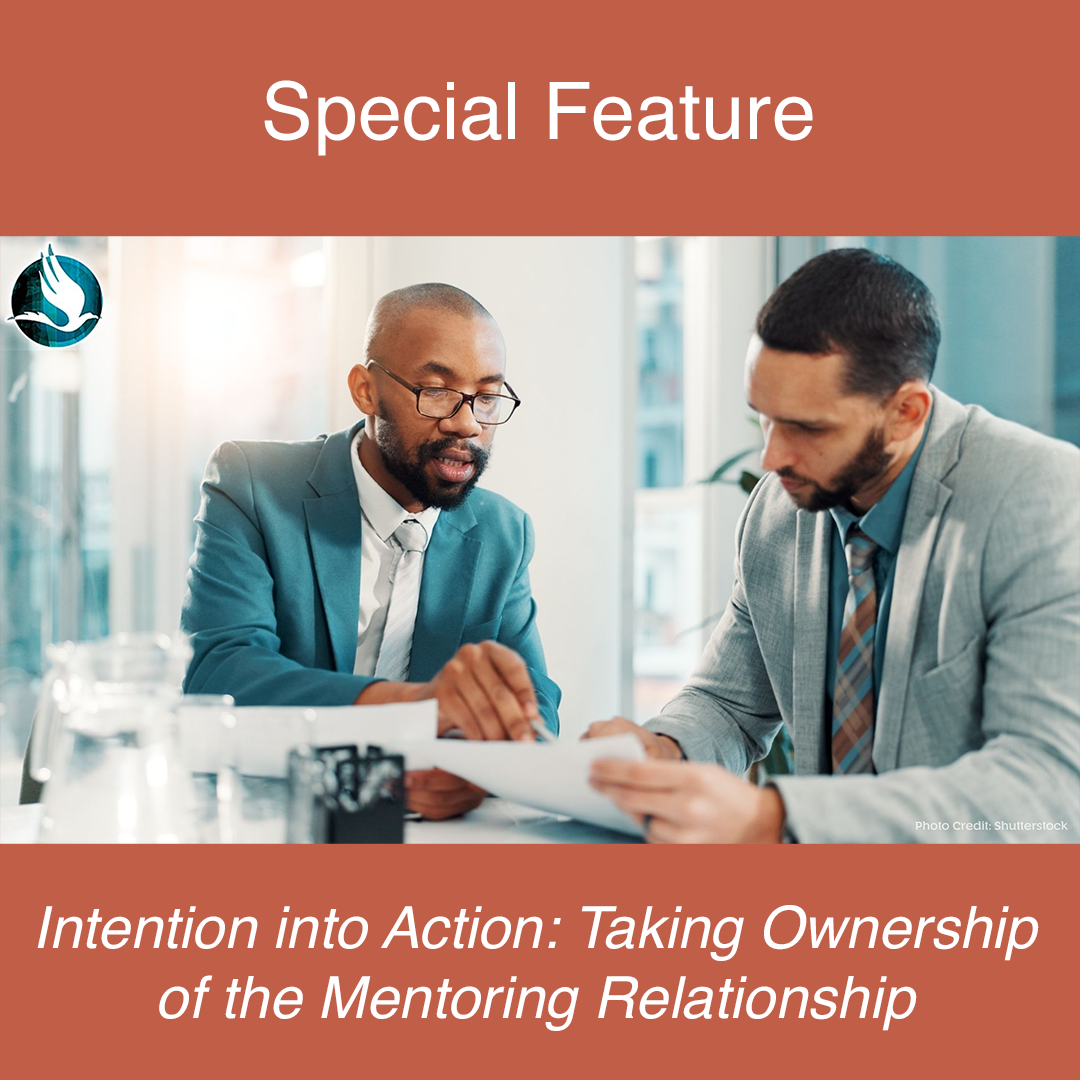
Intention into Action: Taking Ownership of the Mentoring Relationship

Author: Fred Amador, MC, ACC

High-impact mentoring relationships do not happen by accident. They are intentionally designed, actively managed, and grounded in mutual accountability. In organizations focused on building strong leadership pipelines, the effectiveness of mentoring often depends less on the mentor and more on how the mentee engages with the relationship.

High-impact mentees accelerate learning, respect executive time, and translate insight into better leadership decisions. They treat mentoring not as a courtesy meeting, but as a strategic partnership.

A mentor brings pattern recognition, institutional wisdom, and perspective shaped by experience. Unlike a coach—who primarily serves as a thinking partner—a mentor draws from lived experience to help mentees anticipate challenges, avoid common pitfalls, and strengthen judgment.

Because mentors invest their time and experience generously, mentees carry a responsibility to show up prepared, focused, and accountable. Becoming an effective mentee means owning the relationship and maximizing the return on that investment.

When approached intentionally, mentoring accelerates leadership readiness, strengthens judgment, and expands organizational capacity.

The following practices distinguish highly effective mentees.

1. Enter the Relationship with Clarity

Strong mentoring relationships begin with clear expectations and operating norms.

Determine the cadence. Agree on a meeting rhythm—monthly, bi-weekly, or quarterly—that reflects the goals of the relationship and the realities of both schedules.

Select the medium. Decide how you will meet (e.g., Zoom, phone, or in person), recognizing that flexibility and consistency matter more than format.

Take initiative. As the mentee, own the logistics. Schedule meetings, send calendar invitations, and confirm agendas. This signals professionalism and respect for time.

2. Take Ownership of the Learning Agenda

Clarity of purpose enables sharper conversations and better outcomes.

Define your objectives. Be explicit about what you want to work on. Effective goals are specific and decision-oriented—for example, strengthening executive presence, navigating a role transition, or preparing for broader leadership scope.

Establish communication boundaries. Discuss expectations for communication between meetings. Clarify when quick questions are appropriate and when topics should wait for scheduled conversations.

Track progress deliberately. Maintain a simple, shared or personal record of goals, insights, decisions, and action steps. Treat this as a living document that keeps the work focused and accountable.

3. Translate Insight into Action

Mentoring creates value only when insight leads to execution.

Arrive prepared. Send a short agenda or set of questions 24 hours in advance. This allows your mentor to prepare thoughtful, relevant input.

Close the loop. Begin each session by summarizing progress since the last conversation. Share what you did, what worked, and what did not.

Commit to next actions. End every meeting by identifying one or two specific actions. 

Calendar them immediately. Insight is nice, but without action, you lose momentum.

Surface obstacles early. Strong mentees use mentoring conversations to diagnose barriers. 

4. Build a High-Trust, High-Value Relationship

The most productive mentoring relationships are grounded in respect, appreciation, and reciprocity.

Share outcomes and wins. When guidance leads to results such as a successful presentation, a clearer decision, or a new opportunity, remember to close the loop. Mentors value knowing their investment made a difference.

Contribute where appropriate. While mentoring is not transactional, all-star mentees bring value when they can—sharing relevant articles, industry insights, or emerging trends.

Demonstrate respect consistently. Be punctual. Come prepared. Follow through. Express appreciation. These behaviors reinforce trust and credibility over time.


Mentors invest their experience to help others grow into greater leadership responsibility. When mentees approach the relationship with discipline, initiative, and accountability, mentoring becomes a force multiplier for the individual, the mentor, and the organization by accelerating leadership capabilities where they matter most.

For leaders who mentor, the greatest return on your investment comes from mentees who treat mentoring as a strategic partnership rather than a standing meeting.

Reflection

Where might you shift from participating in mentoring to actively owning the value you receive from it?


Shared from APRIL 2026 Issue of Thunderbird Leadership Consulting ELEVATE – Tbird’s Hub for Practical Leadership Insights.


Enjoy our YouTube video below, then visit Thunderbird Leadership’s YouTube channel to watch all of our YouTube videos!