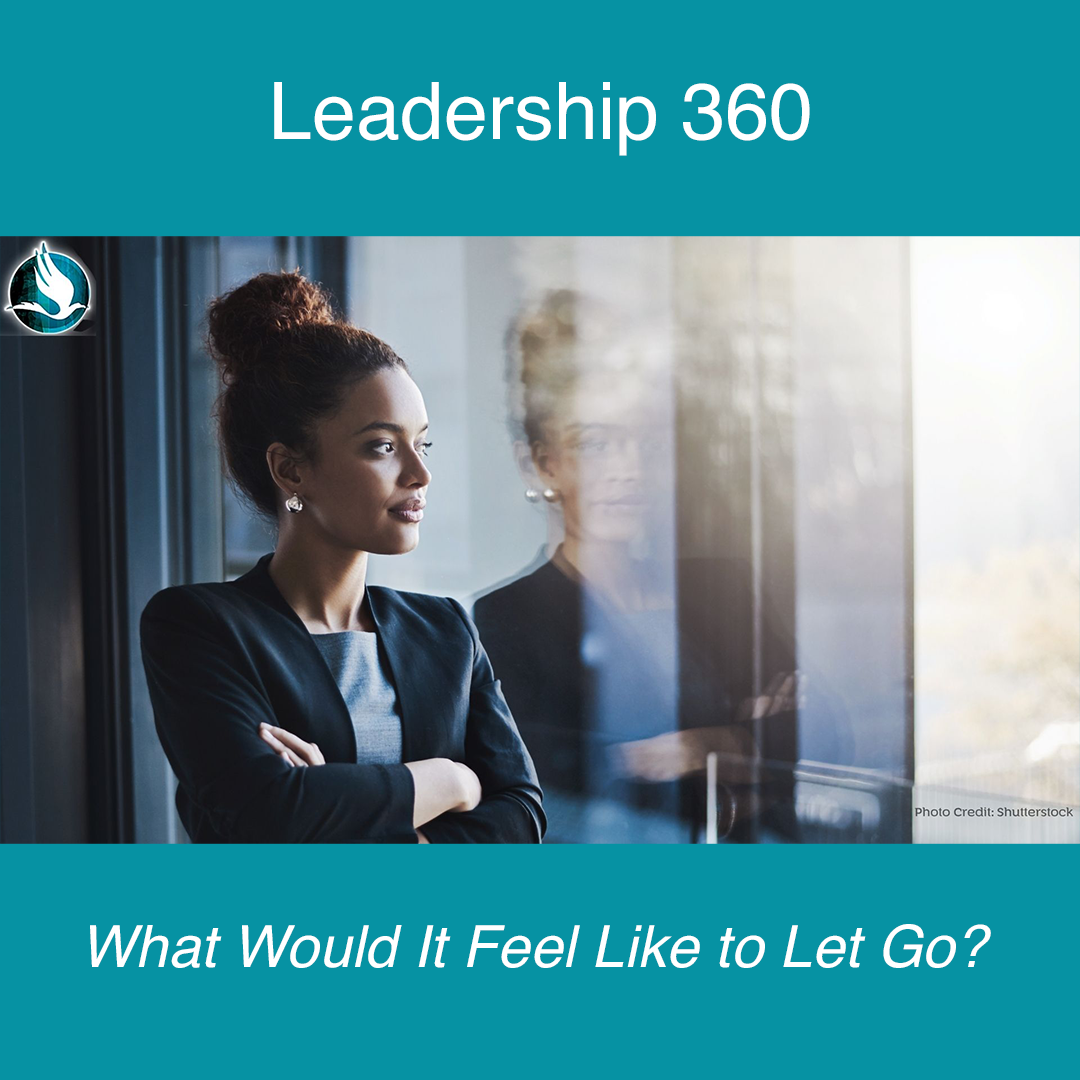
Leadership often carries a quiet weight. Not because leaders are unwilling to share responsibility, but because they care deeply about outcomes, people, and mission. With that, care can come in the form of a subtle inner voice: If I don’t step in, this may not go well.
For many leaders, that voice feels protective. It has likely served you well. It has helped you anticipate risk, prevent mistakes, and move initiatives forward. Letting go can feel uncomfortable, even risky.
Yet it is worth asking: what would it feel like to loosen your grip, even slightly?
At work, the instinct to intervene can show up in subtle but powerful ways: jumping in to respond when others are fully capable, controlling the flow of information to ensure accuracy, requiring multiple layers of approval before action can move forward, and protecting team members from natural consequences that might support their growth.
At home, it may appear as over-managing schedules, solving problems before others have a chance to try, never saying no, or taking on more than what fully belongs to you.
These behaviors are rarely rooted in ego. More often, they stem from responsibility, experience, and a desire to prevent harm. As one client shared, “I shift into Mama Bear mode.” Yet over time, consistent intervention can narrow ownership, slow development, and unintentionally signal limited trust. What used to feel like support begins to limit growth.
There is honor in ownership. Effective leadership requires accountability, visibility, and care. But when ownership becomes overextension, it can quietly restrict others’ space to stretch. This is the often-discussed gap between intention and impact, where care is present, but space for others begins to narrow.
Letting go does not mean disengaging. It does not mean caring less. It is a choice to trust more and create room for learning, imperfection, and shared responsibility to take hold.
Food for thought: Consider the members of your team. Where might holding tightly be protecting you more than serving those around you? And where might a small act of trust strengthen both your leadership and theirs?
Together, we rise.
Shared from APRIL 2026 Issue of Thunderbird Leadership Consulting ELEVATE – Tbird’s Hub for Practical Leadership Insights.
Click on ‘Subscribe Today’ below so you can be a part of Thunderbird’s email community and never miss our monthly ELEVATE edition!
Empathy has received well-deserved attention as a cornerstone of emotional intelligence, especially in leadership and workplace dynamics. It is very important to recognize the emotions of others and understand what they might be feeling. Yet empathy is often misunderstood as purely emotional: a shared feeling of sadness, joy, or frustration.
In professional settings, however, “feeling what others feel” is not always helpful and can even be counterproductive. Emotional contagion, or absorbing another person’s distress, may lead to burnout, impaired judgment, or inaction.
For workplace effectiveness, it is essential to understand this: Empathy is not primarily an emotion. It is a cognitive and behavioral skill.
What is Empathy? A practical, actionable definition of empathy includes three distinct components:
Cognitive Empathy
The ability to understand what another person is feeling and why. This is perspective-taking, a mental exercise, not an emotional one.
Example: “I understand that missing a deadline would increase her stress because leadership is closely monitoring this project.”
Cognitive empathy requires curiosity and analysis, not emotional absorption.
Emotional (Affective) Empathy
The experience of feeling what another person feels.
While natural and sometimes valuable, this form of empathy can be draining. In professional environments, it is not always necessary, and in excess, it may cloud clear thinking.
Compassionate Empathy (Empathic Concern)
The motivation to respond constructively once you understand the person’s experience.
This is the goal of workplace empathy: Understanding → Thoughtful Action
In this sense, empathy can be defined as the ability to accurately perceive and understand another person’s emotional and mental state, and to use that understanding to guide an effective, supportive response.
Because it is skill-based, empathy can be developed.
How to Develop Empathy Strengthening empathy means refining observation and analytical skills.
Practice Active Listening
Move beyond hearing words. Notice tone, pacing, hesitations, and body language.
Reflect back what you hear: “It sounds like you’re feeling overwhelmed by this timeline.”
This confirms understanding and builds trust.
Engage in Perspective-Taking
Intentionally step into the other person’s context. Ask yourself:
What pressures are they under?
What matters most to them right now?
What constraints might I not see?
This is cognitive work, not emotional immersion.
Seek Clarifying Information
Avoid assumptions. Ask open-ended questions:
“How is this affecting you?”
“What concerns you most about this situation?”
Curiosity strengthens accuracy.
How to Deploy Empathy Empathy is most powerful when it translates into action.
Validate Before You Fix
People want to feel understood before they want solutions:
“That sounds incredibly frustrating.”
“I can see why that would feel discouraging.”
Validation does not mean agreement, it signals respect.
Make Your Communication Helpful
If someone is anxious, respond with calm clarity:
If someone is discouraged, offer structure and direction.
Empathy adapts your delivery, not your standards.
Collaborate on Solutions
Rather than prescribing a fix, invite partnership:
“What support would be most helpful right now?”
“What’s one step we can take together?”
This reinforces agency and shared ownership.
When You’re Not “Feeling It” This is where professional empathy matters most.
You may not relate to the emotion. You may not agree with the reaction. You may be tired yourself.
And still—you can be empathetic.
Acknowledge the Gap
Privately recognize:
“I don’t personally feel this, but I accept that it is real for them.”
Your role is not to mirror emotion. It is to respond constructively.
Focus on the Underlying Issue
When emotions run high, look beneath the reaction. Is there a missed deadline? Conflicting instructions? Resource strain? Unclear expectations?
Addressing root causes is more productive than reacting to visible emotion.
Apply the Process
Use cognitive empathy deliberately:
Step 1: Listen.
Step 2: Take perspective.
Step 3: Validate.
Step 4: Collaborate on next steps.
When empathy becomes procedural rather than emotional, it becomes sustainable.
The Bottom Line Empathy does not require you to absorb another person’s distress. It does not require emotional agreement. It does not require you to be in the same mood.
It requires attention, understanding, and intentional response.
When practiced as a skill, rather than as a feeling, empathy becomes both powerful and sustainable.
And yes, you can absolutely practice it, even when you’re not “feeling it.” Reference Goleman, D. (2012). Emotional Intelligence: Why It Can Matter More Than IQ. Bantam.
Shared from March 2026 Issue of Thunderbird Leadership Consulting ELEVATE – Tbird’s Hub for Practical Leadership Insights.
Leadership is often measured by how quickly we respond. We celebrate leaders based on our perception of productivity measures. How we decide and how fast. How much we can carry. Yet some of the most meaningful leadership moments happen away from urgency, in the quiet choices about how we show up for others and for ourselves.
When speed becomes the norm everywhere, leaders desperately try to keep pace. Relationships thin, and listening turns into tolerance. Decisions happen faster, but not always better. Over time, this pace follows leaders home, shaping how present they are with family, friends, and even themselves. Guilt creeps in alongside the thought, “You should be working. You have so much to do.”
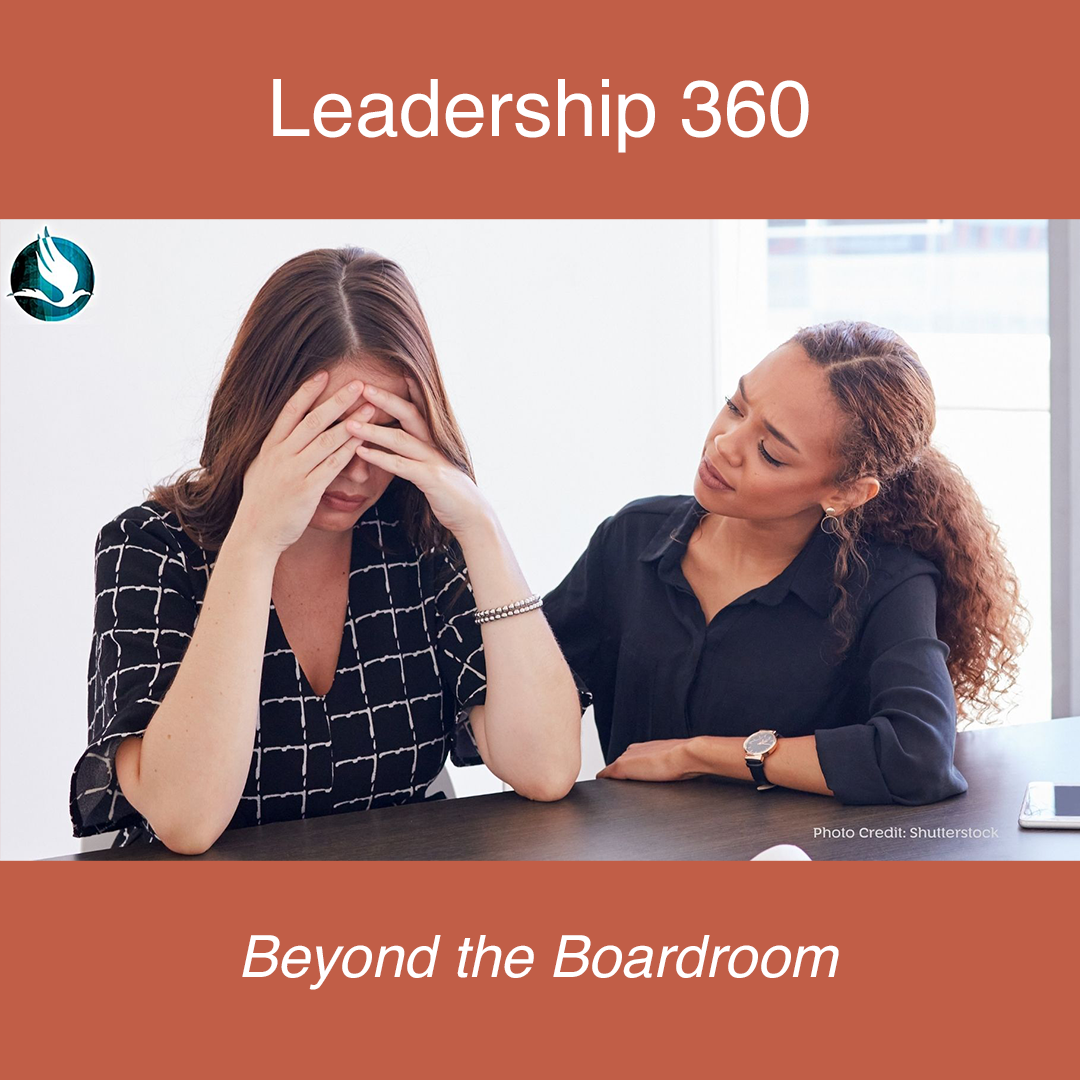
Leadership beyond the boardroom asks a different question. Not how fast can I move, but what pace allows me to lead well and live well.
Learning into Action: Where might slowing down, even briefly, strengthen your leadership, your relationships, and your ability to lead with purpose in the year ahead? When might you pause rather than give an immediate response?
Click on ‘Subscribe Today’ below so you can be a part of Thunderbird’s email community and never miss our monthly ELEVATE edition!
Leadership in 2025 was defined by complexity and constant change, yet leaders everywhere showed remarkable adaptability and resilience.
Growth happened in quiet moments as much as in bold decisions. It happened when you listened more closely, recommitted to firmer boundaries, invited deeper dialogue, or chose patience instead of urgency. It happened when you chose curiosity over certainty. It happened when you aligned your actions with your values and showed your team what consistency looks like in real time.
As you look back over the past year, consider the moments that strengthened your leadership identity.
Maybe there was an awareness as a result of a Tbird teaming session you attended.
Maybe you built trust in a new way.
Maybe you led through conflict with more commitment and composure.
Maybe you invested in your team’s development or your own.
Growth rarely arrives in grand gestures. More often, it shows up in small, steady shifts that accumulate over time.Your opportunity for 2026 is to build intentionally on the strengths you discovered this year. Carry forward what made you better and release what no longer serves your leadership.
Call to Action 1. Where did you show the most leadership growth this year? Celebrate and share it with us (reply to this email). 2. How will you build on that momentum? 3. What will you release that is no longer serving you?