
Designing Leadership for Today’s Rapid Change

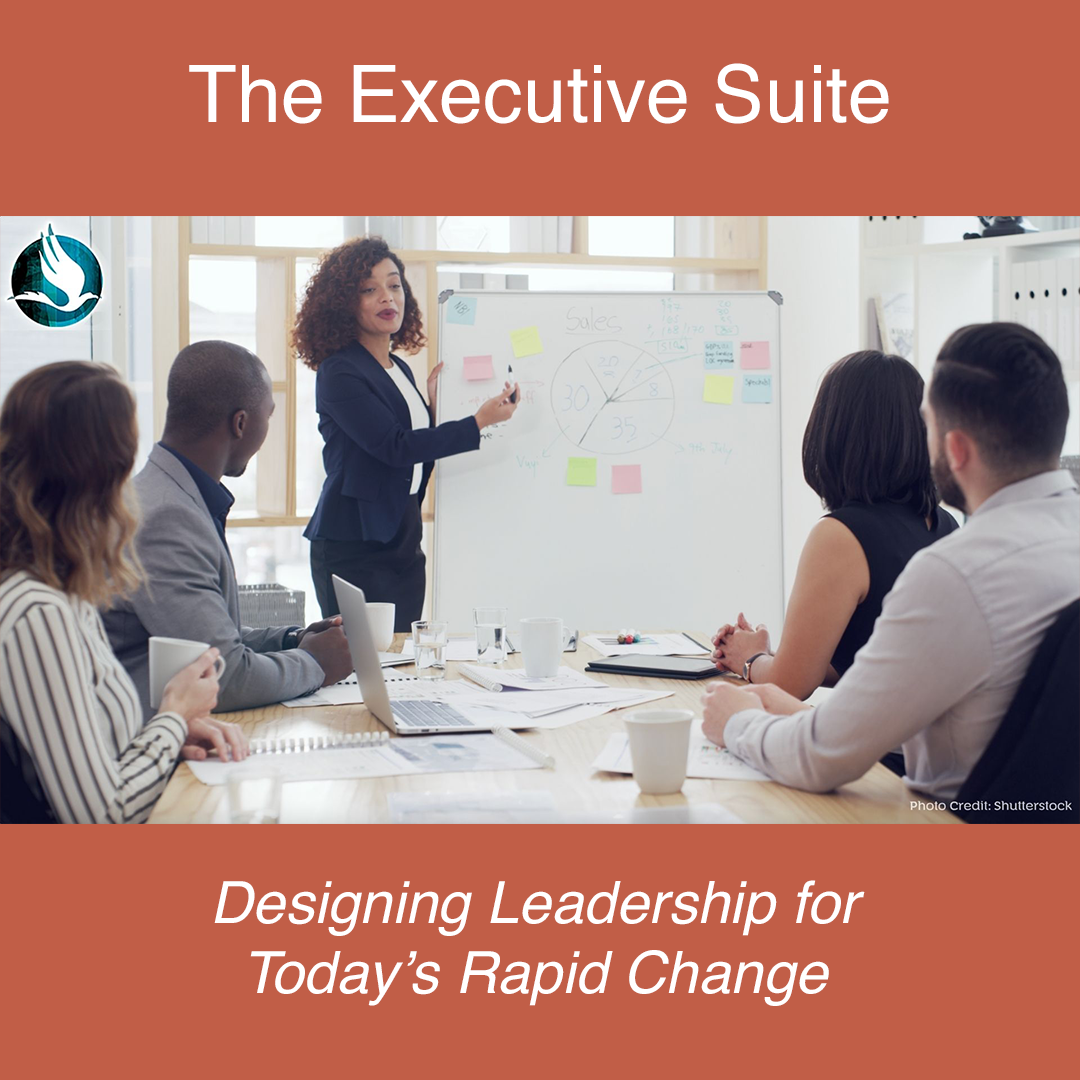
Leadership systems are often designed for stability. These structures work well when conditions are steady and resources are sufficient. Today, most complex organizations are operating in a different reality. They are navigating persistent constraints, including limited resources, competing priorities, and accelerating change.
Under that level of pressure, even strong systems can begin to feel strained. The challenge is not a lack of leadership capability, but a misalignment between how leadership is structured and the current conditions leaders are navigating. Optimization alone is no longer sufficient. Today, there is a pronounced need for more intentional design.
In environments defined by constraint and rapid change, three opportunities consistently emerge.
1. From Broad Involvement to Intentional Focus
When pressure increases, executive teams often move closer to the work. They hold decisions more tightly and step in more frequently. The intent is strong, but the impact can be mixed. Over time, this concentrates pressure at the top and slows execution.
High-performing teams take a more deliberate approach. They clarify where executive attention is essential, and where it is not. They reset priorities and define what truly requires their involvement. Focus becomes a design choice rather than a reaction to urgency.
2. From Activity to Decision Clarity
Constraint makes decision friction more visible. It often shows up as unclear ownership, layered approvals, and routine escalation to executives instead of confident ownership. In fast-moving environments, these patterns slow momentum and create unnecessary strain.
High-performing organizations address this directly. They establish clear decision rights, define escalation thresholds, and create a shared understanding of what “good enough” looks like in practice. This does not reduce rigor or diminish excellence. It enables timely, confident decisions because expectations are clear.
3. From Individual Capacity to System Capacity
Many organizations continue to view capacity through an individual lens, identifying who can take on more work or step in. Over time, this places sustained pressure on a small group of leaders.
High-performing organizations shift the focus to the system. They ask how leadership is distributed and then design for shared ownership, reduced dependency on a few individuals, and clear expectations that support autonomy. The result is leadership that is more evenly activated and more sustainable over time.
The Critical Reframe
Constraint creates an opportunity for clarity. It reveals how leadership is currently designed.
Organizations that rely primarily on individual effort may begin to feel increasing strain and experience diminishing returns despite greater effort. Those that realign their leadership systems often find that capacity expands, even when resources do not.
Executive Team Reflection
Set aside time with your leadership team to explore these questions together. Compare perspectives, identify where patterns are showing up across the system, and align on one shift that would create greater clarity, capacity, or focus.
- Where is executive involvement adding value, and where might it be adding pressure?
- Where could decision clarity reduce friction and improve momentum?
- Where is the system relying on a few leaders instead of activating many?
Author: Rhonda Williams
Shared from MAY 2026 Issue of Thunderbird Leadership Consulting ELEVATE – Tbird’s Hub for Practical Leadership Insights.
Enjoy our YouTube video below, then visit Thunderbird Leadership’s YouTube channel to watch all of our YouTube videos!